

Whether you're managing a manufacturing plant, overseeing a commercial cooling system, or running a food processing facility, industrial water testing isn't optional: it's essential. The quality of your water directly impacts equipment longevity, regulatory compliance, employee safety, and your bottom line.
But here's the thing: not all testing is created equal. Understanding what you're testing for, how it's done, and why it matters can mean the difference between catching a problem early and facing a costly shutdown.
Let's break down the 10 things you should know before investing in industrial water testing services.
1. There Are Three Core Types of Water Testing Methods
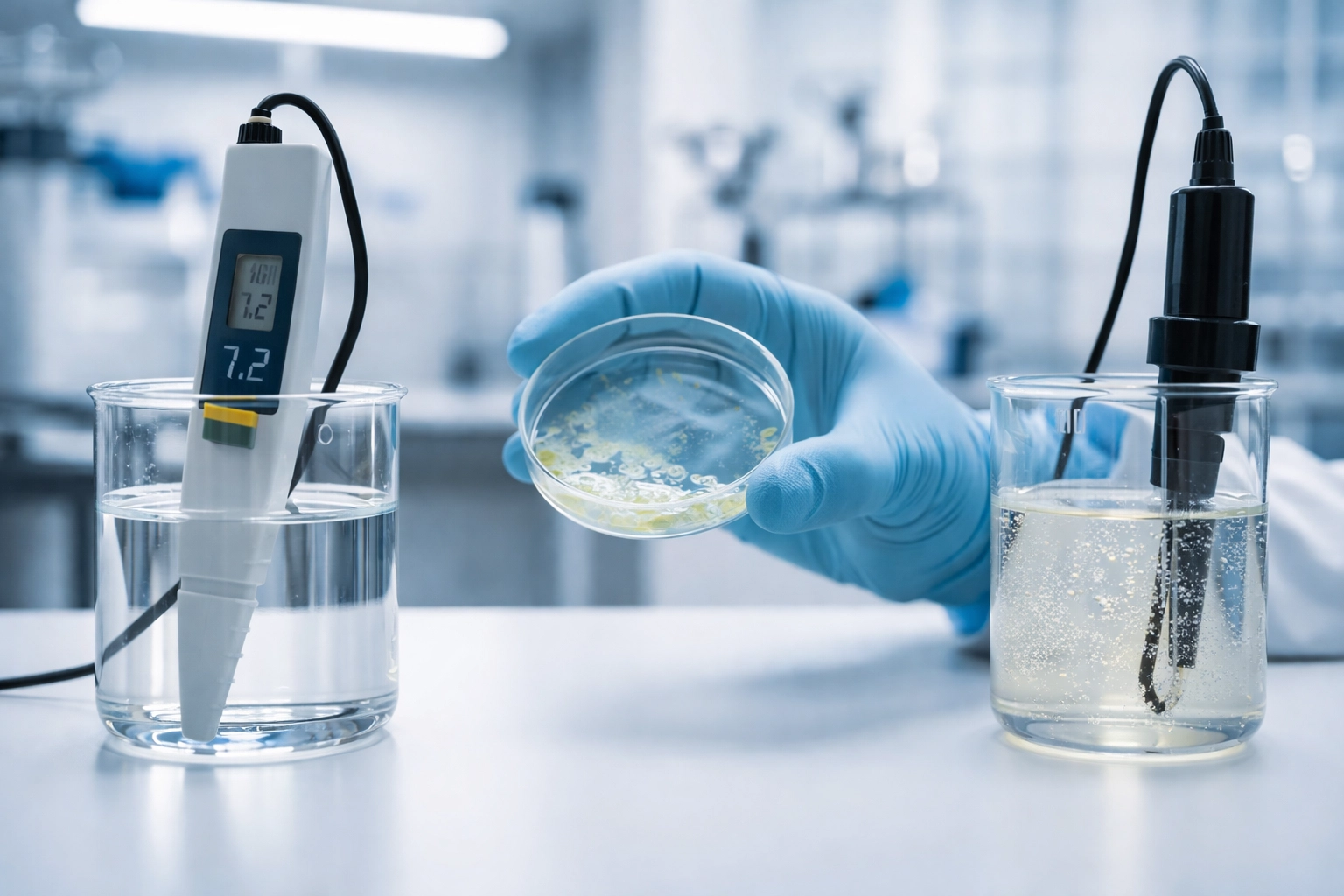
Industrial water analysis falls into three primary categories: physical, chemical, and biological testing.
- Physical testing examines characteristics like temperature, turbidity, color, and odor.
- Chemical testing identifies contaminants and measures concentrations of specific substances.
- Biological testing detects microorganisms, including harmful bacteria like Legionella.
Each type serves a different purpose, and most comprehensive testing programs incorporate all three to give you a complete picture of your water quality.
2. You'll Need to Test for Multiple Chemical Parameters
When it comes to chemical analysis, there's no single "water quality" number. Instead, you'll be testing for a range of parameters, including:
- pH levels – Indicates acidity or alkalinity
- Conductivity – Measures dissolved ions
- Chlorine and chloride ion – Important for disinfection and corrosion control
- Ammonia, nitrite, and nitrate – Can indicate contamination
- Phosphate – Often used in treatment programs
- Water hardness – Affects scaling and equipment wear
- Fluoride – Regulated in many applications
Each of these parameters tells you something different about your water's condition and potential risks. Ignoring even one can leave you vulnerable to corrosion, scaling, or regulatory violations.
3. EPA-Approved Methods Aren't Just Recommended: They're Required
If your facility falls under federal or state water quality regulations, you can't just use any testing method you find convenient. Laboratories supporting public water systems and many industrial operations must use EPA-approved methods to demonstrate compliance.
The EPA evaluates testing methods through its Alternate Test Procedure Program, assessing factors like accuracy, precision, and reliability. When you work with a testing provider, make sure they're using methods that meet regulatory standards: otherwise, your results may not hold up during an inspection or audit.
Understanding water quality regulations is critical for staying compliant and avoiding costly fines.
4. Standardized Methods Ensure Consistency Across Tests
You might be surprised to learn that there are multiple standardized methods for testing a single parameter. For example, pH measurement alone can be performed using:
- ASTM D 5464
- EPA 150.2
- DIN EN ISO 10523
Similarly, electrical conductivity testing follows standards like ASTM D 1125, EPA 120.1, and ISO 7888.
Why does this matter to you? Consistency. When your testing provider uses standardized methods, you can compare results over time with confidence. You'll also be able to share data with regulators, consultants, or equipment manufacturers without confusion.
5. Field Testing and Lab Testing Serve Different Purposes
Not every test needs to happen in a laboratory. Field testing using portable instruments is highly effective for monitoring characteristics like:
- Temperature
- pH
- Dissolved oxygen
- Basic conductivity
These on-site tests give you quick, real-time data that helps you make immediate adjustments to your water treatment program.
However, when you need high precision and accuracy: especially for identifying trace contaminants or meeting compliance requirements: laboratory testing is the way to go. Lab analysis is essential for commercial and industrial applications where the stakes are high and the margin for error is low.
The best approach? Combine both. Use field testing for routine monitoring and lab testing for periodic deep dives and compliance verification.
6. Ion Chromatography Is Your Go-To for Trace Ion Analysis
When you need to measure specific anions and cations in your water: think chloride, sulfate, nitrate, or sodium: ion chromatography is the gold standard.
This technique separates and quantifies various ions in your water sample, giving you detailed insights into its chemical composition. It's particularly useful for:
- Identifying sources of corrosion
- Tracking treatment chemical performance
- Detecting contamination from external sources
If your testing provider doesn't offer ion chromatography, you may be missing critical data about what's really in your water.
7. Advanced Instrumentation Detects What Basic Tests Miss
Some contaminants exist at trace levels that basic testing simply can't catch. That's where sophisticated laboratory instrumentation comes in:
- Atomic absorption spectroscopy – Detects heavy metals
- Inductively coupled plasma spectroscopy (ICP) – Measures multiple elements simultaneously
- X-ray fluorescence spectroscopy – Analyzes elemental composition
- Gas chromatography – Identifies organic compounds
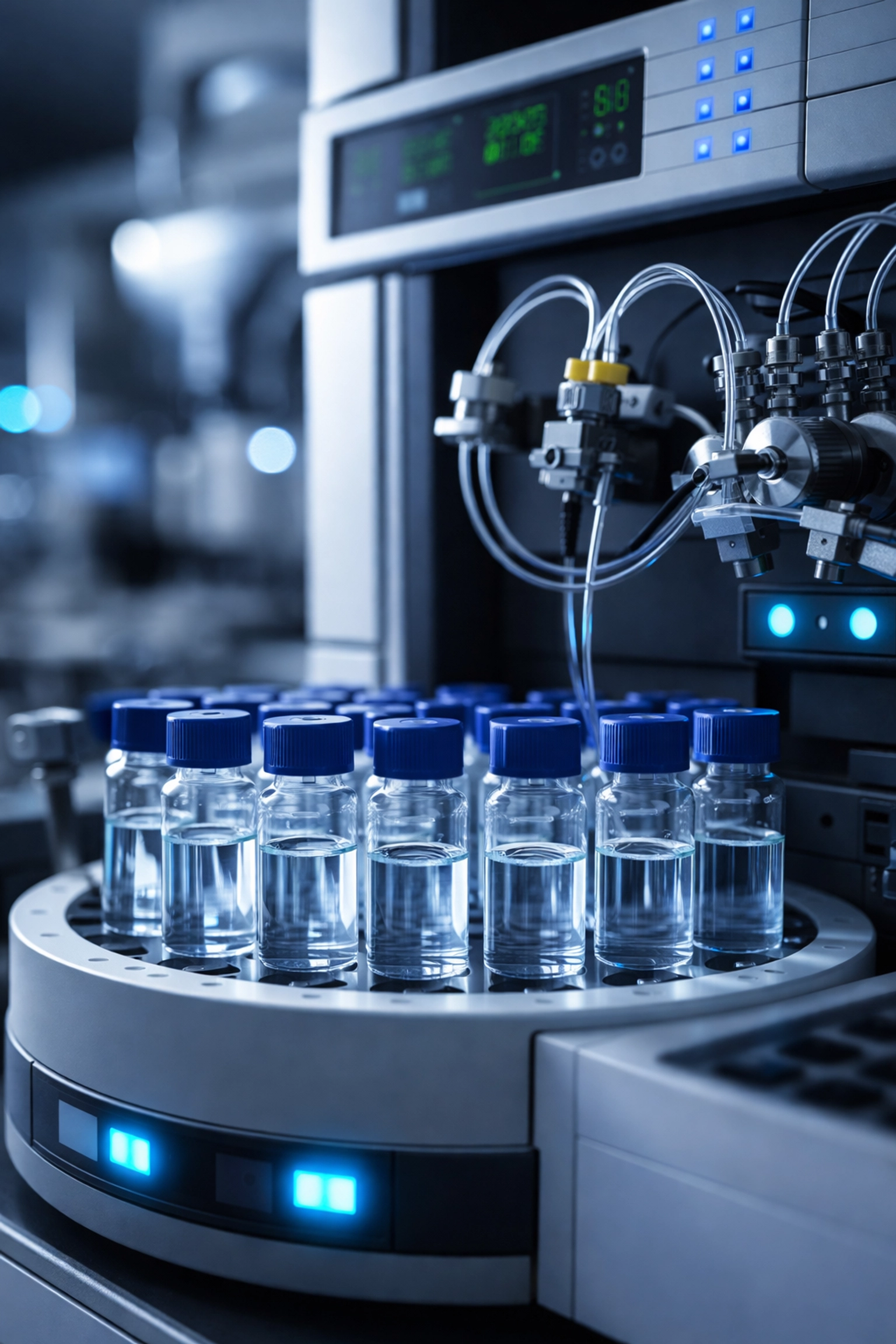
- High-pressure liquid chromatography (HPLC) – Separates and quantifies complex mixtures
These advanced methods are essential when you're troubleshooting unexplained equipment failures, investigating contamination events, or meeting strict industry-specific standards.

8. Specialized Techniques Address Industry-Specific Needs
Different industries face different water challenges. That's why specialized testing techniques exist to address specific concerns:
Total Organic Carbon (TOC) measurements determine the presence of organic compounds in your water. These can result from treatment chemicals, process leaks, or biological growth: and elevated TOC can indicate serious problems.
Fourier Transform Infrared Analysis (FT-IR) helps identify the composition of deposits in boilers and cooling systems. If you're dealing with recurring scaling or fouling issues, FT-IR can tell you exactly what's building up and why.
For facilities with cooling towers or closed-loop systems, these specialized analyses are invaluable. Learn more about closed loop water treatment and why deposit analysis matters for system longevity.
9. Timing Matters: A Lot
Here's something that often gets overlooked: when you test matters as much as what you test.
Chemical analyses should be conducted promptly after sample collection. Many parameters change over time due to temperature shifts, chemical reactions, or biological activity. A sample that sits too long before analysis may give you inaccurate results: and inaccurate results lead to poor treatment decisions.
Work with a testing provider that understands proper sample handling, preservation, and turnaround times. If you're conducting field tests, make sure your team is trained on correct procedures to avoid compromising the data.
This attention to detail is especially important for regular industrial boiler maintenance, where precise water chemistry directly impacts equipment performance and safety.
10. Testing Results Should Drive Your Treatment Strategy
The ultimate goal of industrial water testing isn't just to collect data: it's to optimize your treatment program.
Field testing provides the day-to-day insights you need to make real-time adjustments. Laboratory testing delivers the precision required for long-term planning and compliance documentation. Together, they create a comprehensive monitoring approach that enables data-driven decisions.
When you receive your test results, don't just file them away. Use them to:
- Adjust chemical dosing rates
- Identify emerging problems before they escalate
- Verify that your treatment program is working
- Document compliance for regulatory audits
- Plan preventive maintenance and system upgrades
The best testing programs aren't reactive: they're proactive. They help you stay ahead of problems rather than scrambling to fix them after the damage is done.
Partner With Experts Who Understand Your Industry
Industrial water testing is complex, but you don't have to navigate it alone. Working with an experienced water treatment partner gives you access to the testing methods, analytical expertise, and practical recommendations you need to protect your systems and stay compliant.
At HydroServe Technologies, we combine field testing, laboratory analysis, and decades of industry experience to help facilities like yours maintain optimal water quality. Whether you're concerned about Legionella monitoring, cooling system performance, or regulatory compliance, we're here to help.
Ready to get started? Reach out to our team to discuss your testing needs and discover how a strategic water management program can save you time, money, and headaches down the road.